How to Choose a West Travis County Luxury Estate Community
July 2, 2026
July 2, 2026
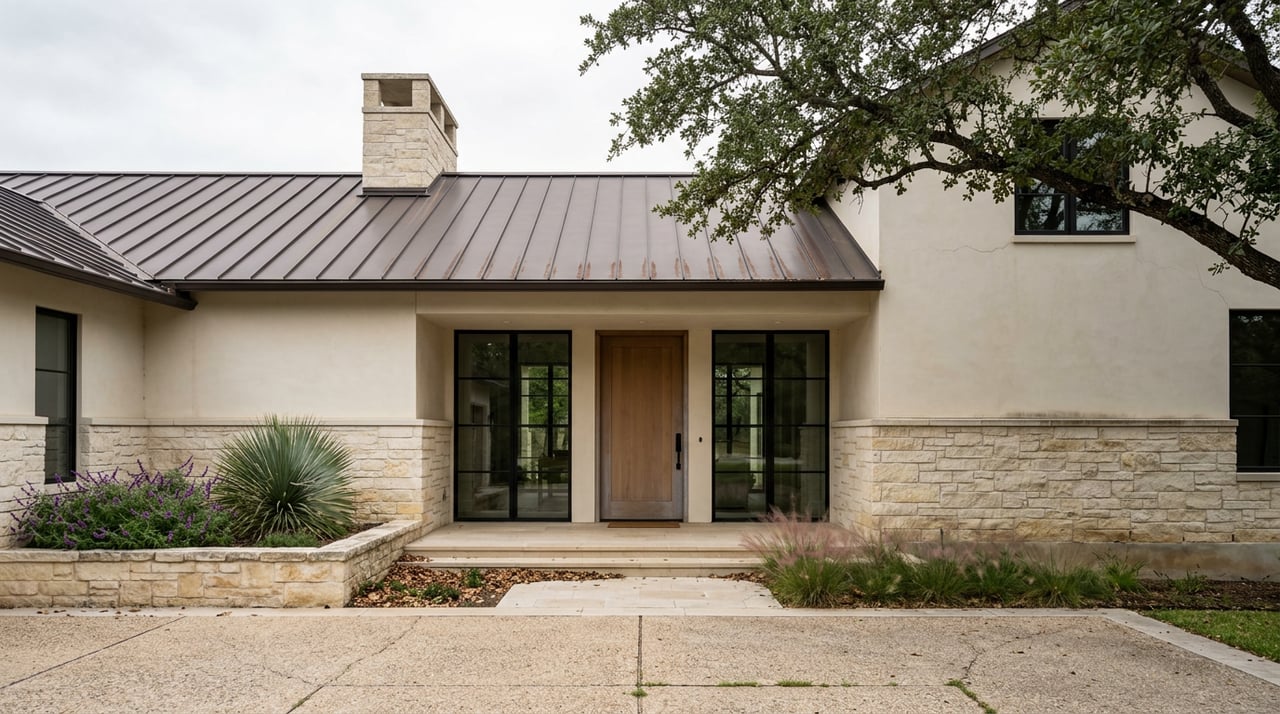
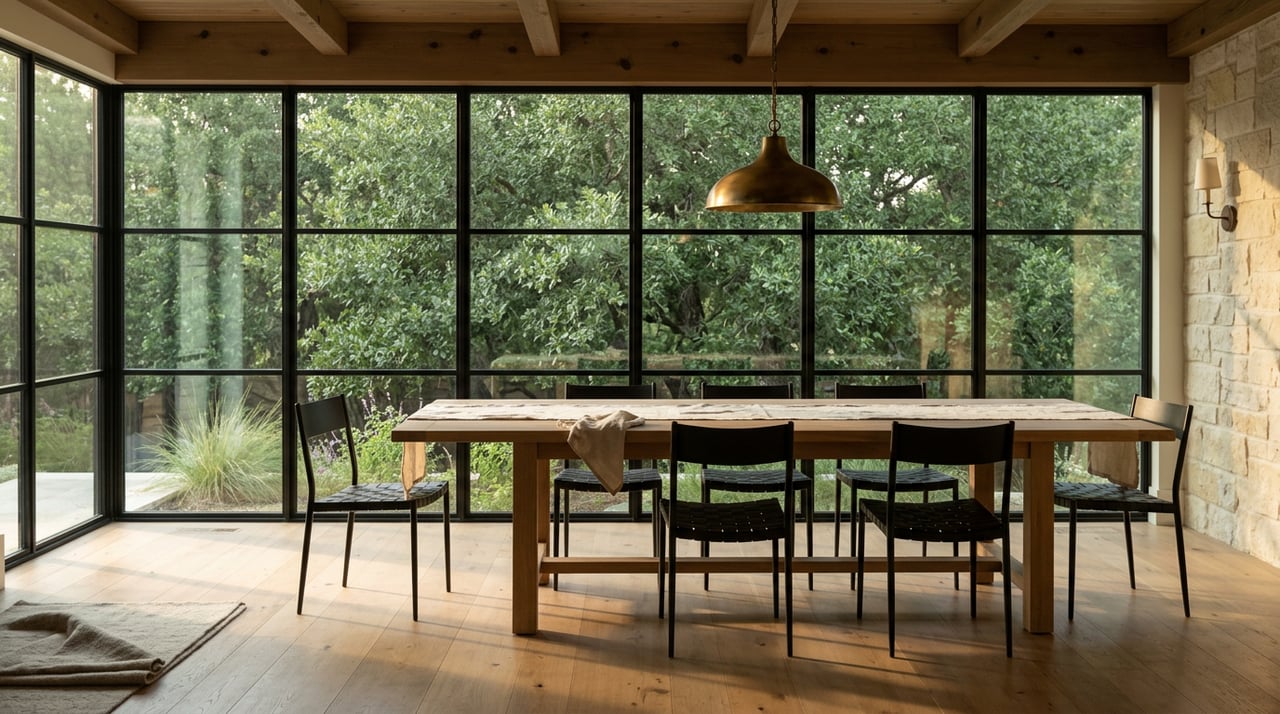
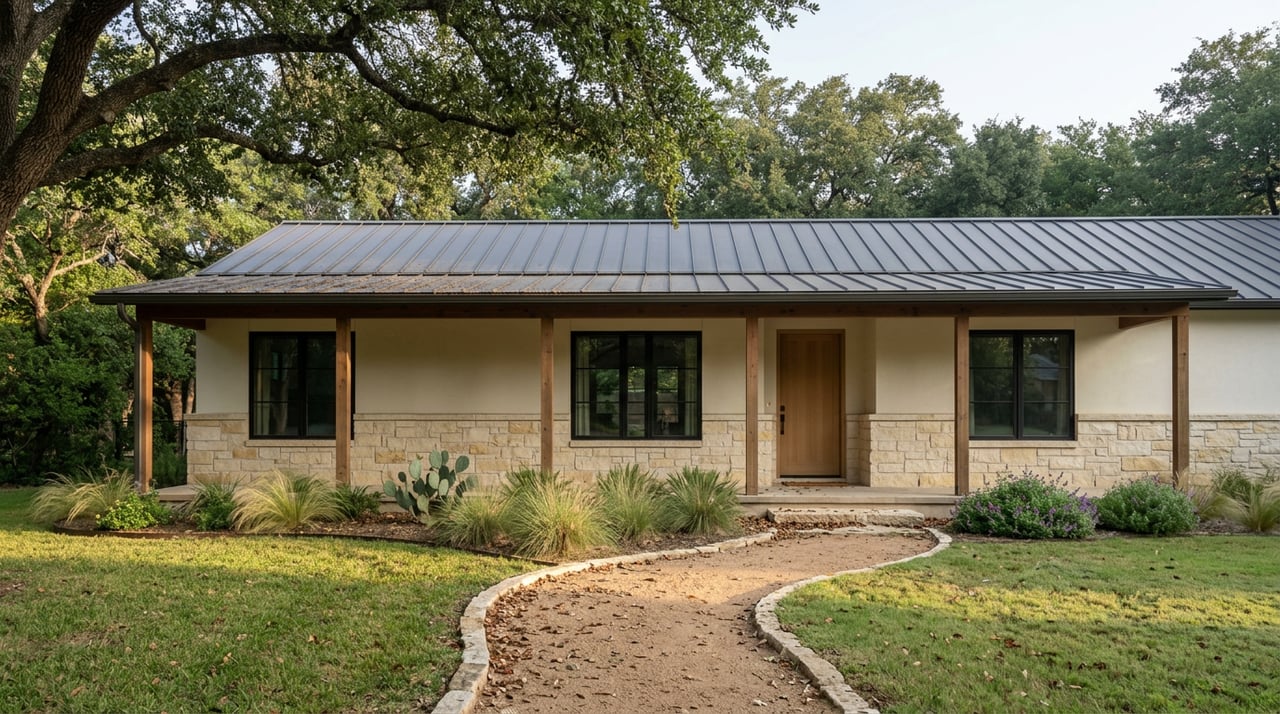
If you are searching for an estate community in West Travis County, you are not just picking a house. You are choosing how much land you want, how close you want to be to daily services, and how much design control you are comfortable with. The good news is that this part of Travis County offers a wide range of options, from close-in gated communities to larger Hill Country homesites farther west. Let’s break down how to choose the right fit for you.
In West Travis County, estate communities span West Austin, West Lake Hills, Bee Cave, Lakeway, and farther-west Hill Country and lake-area pockets. That means the best choice often comes down to control, convenience, and lot scale, not just square footage.
If you begin your search with that framework, the market gets easier to understand. Instead of asking which neighborhood is best, ask which balance of acreage, views, service access, and commute works best for your life.
Some communities lean toward larger homesites and a more private feel. Others offer a more amenity-rich, lower-maintenance setup with tighter design standards and easier access to dining, shopping, and medical services.
That difference matters in West Travis County because local rules vary by location. Travis County notes that most counties in Texas do not have zoning authority, while cities such as Austin, West Lake Hills, Lakeway, and Bee Cave maintain their own development and building rules.
In unincorporated areas, county development permits may be required. Far-western parcels in the Lake Travis watershed can also trigger LCRA review, which makes due diligence especially important if you are buying land to build on.
If your priority is a shorter trip into Austin without giving up privacy, the Barton Creek and West Austin area is one of the strongest places to start. This pocket is often where buyers find the cleanest balance between established settings, larger lots, and easier city access.
Barton Creek North is a 2,500-acre master-planned community made up of eleven separate gated communities. Its master architectural control committee reviews exterior improvements, which gives the area a more structured design environment.
That structure can affect your timeline. Barton Creek North says its design-review process typically takes 30 to 45 days once initial plans are received, so buyers planning renovations or custom work should factor that in early.
The Estates of Barton Creek pushes farther into the estate-lot category. The community is known for large homes on 1+ acre lots, and it describes the downtown commute as roughly 20 minutes.
Seven Oaks also belongs in this conversation. Homes there sit on one- to five-acre lots with Hill Country views and a short drive to Austin, which can appeal if you want more outdoor room while staying relatively close in.
West Lake Hills offers another version of close-in estate living, but with its own city-level layer of development control. The city has its own building and development department, which is important if you are considering updates, additions, or a future custom project.
West Lake Hills also has a revised drainage and erosion manual that applies to projects submitted on or after May 18, 2026. For buyers, that is a reminder that a great lot and a great view should always be paired with a clear understanding of what may be required to improve the property.
If you want a gated luxury setting with strong amenities and nearby daily services, Spanish Oaks is one of the clearest reference points in the Bee Cave corridor. It combines a private feel with a location close to Bee Cave conveniences.
Spanish Oaks highlights 24/7 manned security, a private golf club, trails, Fish Camp, and a pool pavilion. Its Hillside release includes 64 homesites in an 83-acre enclave, and homesites there range from about 0.3 to 1.6 acres.
That lot range is worth noticing. Spanish Oaks can work for buyers who want a premium setting and lifestyle amenities without taking on the upkeep of a much larger tract.
It also offers flexibility for buyers purchasing land first. One Spanish Oaks homesite page notes that there is no required timeframe to build, which can be useful if you want to secure the lot now and plan construction later.
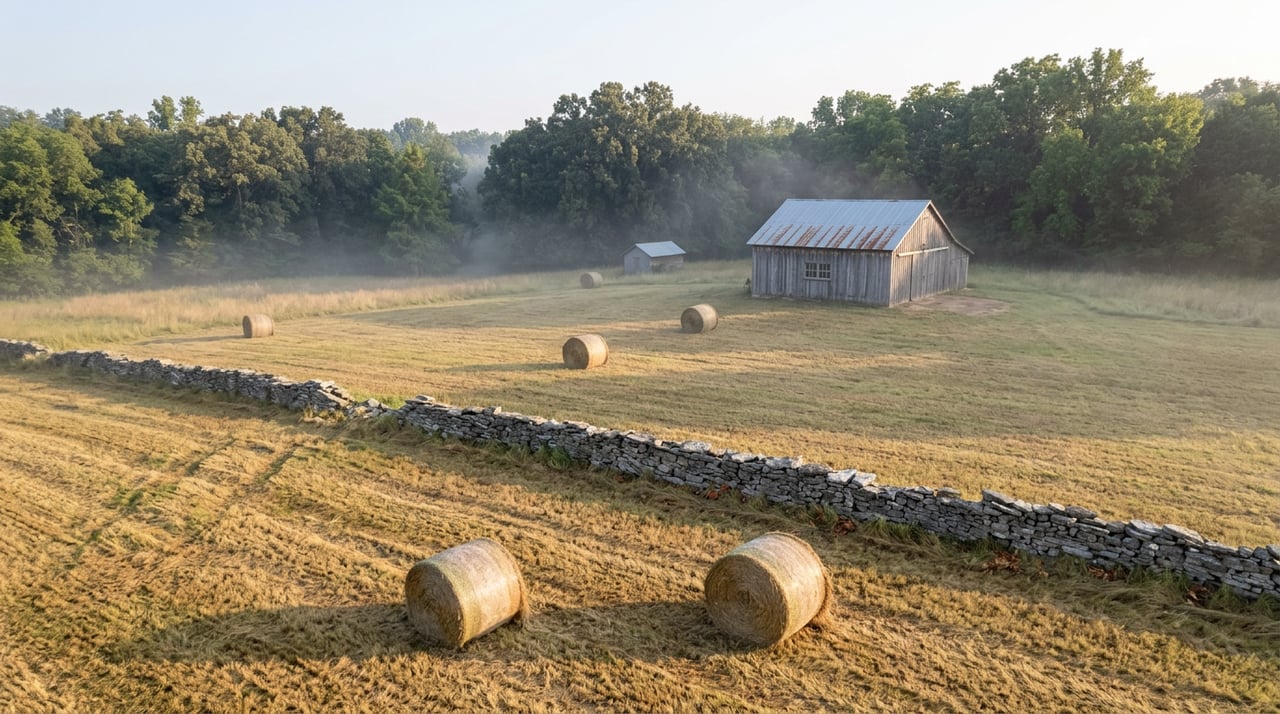
If your definition of an estate community includes more elbow room, Belvedere is a strong alternative in the same broader corridor. Its official site says the community has 223 homesites of 1 to 3 acres along with an 80-acre nature preserve.
Belvedere also benefits from proximity to Bee Cave, Lakeway, and Dripping Springs for shopping and dining. That makes it appealing for buyers who want acreage but do not want to feel disconnected from everyday services.
Seven Oaks can also fit this acreage-focused lane. With one- to five-acre lots, it gives you another option if you want a larger homesite and a short drive to Austin.
Bee Cave stands out as one of the strongest service hubs in this market. The city library and city hall sit inside Hill Country Galleria, a mixed-use development at the intersection of three major highways.
For buyers, that means errands and daily-life services are easier to fold into a busy schedule. If convenience matters nearly as much as privacy, the Bee Cave corridor deserves a close look.
Lakeway is officially a resort community about 25 miles west of downtown Austin. The city highlights golf courses, marinas, a private airport, a hotel and spa, parkland, trails, greenbelts, and full-service city government.
This is one of the best areas to consider if you want a lifestyle built around lake access and amenities. In practical terms, Lakeway often fits buyers who value activity, convenience, and a strong municipal service layer more than maximum acreage.
Lakeway also has an expanding service base. The Lakeway Medical Village near RR 620 and Flintrock Road covers about 53 acres and is anchored by Baylor Scott & White-Lakeway.
Rough Hollow is one of the most inventory-diverse options in the area. The community has more than 30 neighborhoods, with choices that range from low-maintenance lock-and-leave living to custom and estate-sized homesites.
It also offers hill-country elevation, canyon or greenbelt views, and shoreline access. That variety makes Rough Hollow one of the easiest communities to consider if your needs are specific but still evolving.
For example, you may want the West Travis County setting without committing to large-scale acreage maintenance. Rough Hollow can provide that middle ground.
Flintrock Falls tends to appeal to buyers who want a more controlled, golf-oriented environment. Its design guidelines regulate items such as fences, golf-course setbacks, exterior materials, and pool visibility.
The guidelines also make clear that future views are not guaranteed. That is an important detail in any view-driven purchase, especially in areas where topography and neighboring construction can shape the long-term feel of a homesite.
If you prefer a polished community framework and you are comfortable with tighter oversight, Flintrock Falls may be a good fit. If you want more flexibility, other communities may be worth comparing side by side.
One of the biggest mistakes estate buyers make is assuming every lot works the same way. In West Travis County, build-review friction can vary a lot from one pocket to another.
Higher-due-diligence areas include Barton Creek North, Flintrock Falls, West Lake Hills, Belvedere, and parcels located in Austin’s Hill Country Roadway Corridor or the Lake Travis watershed. In some cases, slope, scenic-vista, drainage, erosion, or watershed issues can affect what and how you build.
That does not mean these communities are poor choices. It simply means that lot selection and pre-purchase review matter just as much as the home itself.
Before you choose a West Travis County estate community, it helps to compare each option through a few practical questions:
These questions help you narrow the field fast. They also keep you focused on how a community will function for you over time, not just how it looks on the first tour.
If you want the most estate-like feel, start with Barton Creek North, the Estates of Barton Creek, Spanish Oaks, Belvedere, Seven Oaks, and select Rough Hollow estate pockets. These are some of the clearest examples of the estate-community category in West Travis County.
If convenience is the priority, focus on Bee Cave around Hill Country Galleria and Lakeway around its city services and medical village. These areas make daily errands easier while still giving you access to high-end community options.
If you want a lock-and-leave lifestyle, Rough Hollow’s low-maintenance sections and golf-adjacent communities like Flintrock Falls are logical places to compare. If you want more land and privacy, look harder at Barton Creek, Seven Oaks, and Belvedere.
The best West Travis County estate community is rarely about one feature alone. It is about finding the right mix of acreage, view quality, service access, and commute tolerance, then confirming the rules and utility setup behind the scenes.
That is where a focused, local approach matters. If you want help comparing estate communities, homesites, or land-driven luxury options across West Travis County, connect with Cullen Loeffler for straightforward guidance built around how you actually want to live.
Stay up to date on the latest real estate trends.

Experience honest service, local expertise, and strategic representation from a team dedicated to your success.