Owning Hill Country Acreage In Travis County
June 25, 2026
June 25, 2026
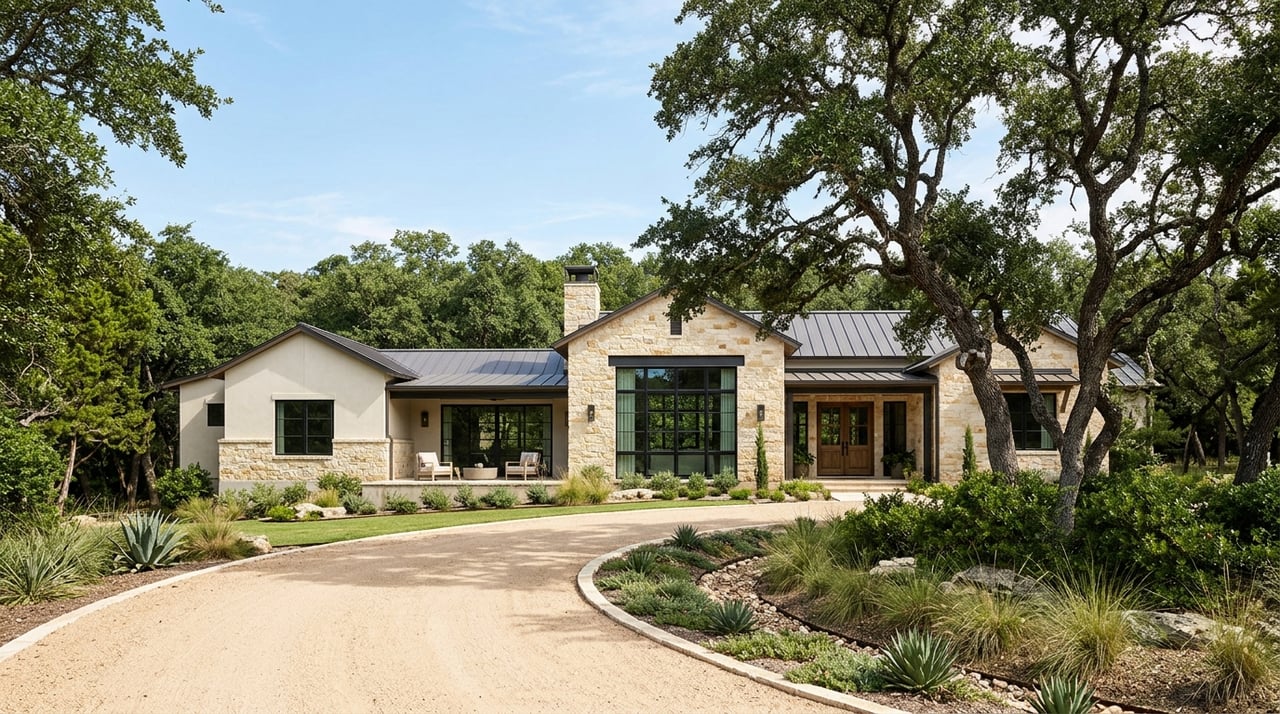
Thinking about buying Hill Country acreage in Travis County? The view can sell you fast, but the real value of a land purchase often comes down to what you can maintain, improve, and plan for over time. If you want a clearer picture of what ownership really looks like, this guide will walk you through the lifestyle, the practical responsibilities, and the due diligence that matters most. Let’s dive in.
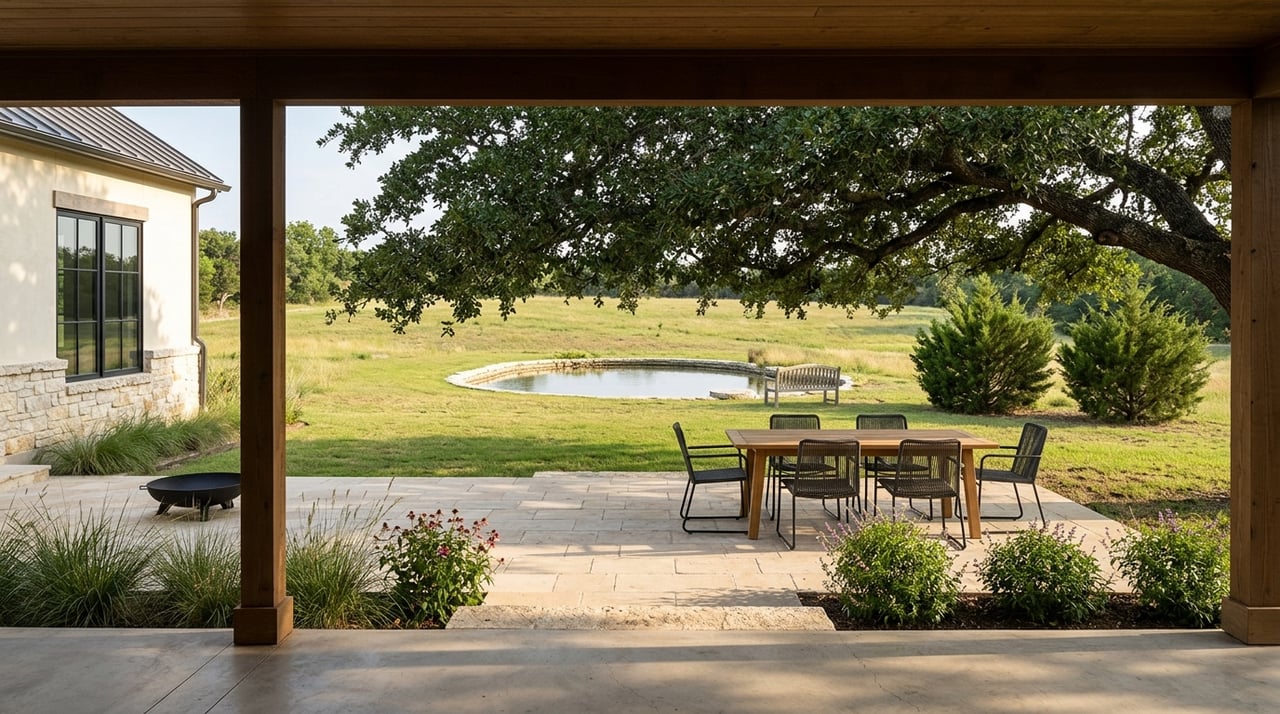
Owning acreage in Travis County often means you get a quieter, more private setting while staying connected to the broader Austin-area outdoor lifestyle. In the western part of the county, local parks give a useful snapshot of how many owners spend their free time, with options that range from hiking and swimming to camping, fishing, climbing, and wildlife viewing.
Hamilton Pool Preserve, Reimers Ranch, and Pace Bend each reflect a different side of Hill Country recreation. One outing may require planning ahead, while another can be more spontaneous. If you are drawn to acreage for space and flexibility, this mix of rural feel and nearby recreation is a big part of the appeal.
That said, acreage living is usually more hands-on than owning a home on a typical suburban lot. You may have more room to enjoy, but you may also have more land to manage, more systems to monitor, and more property-specific questions to answer before and after closing.
With Travis County acreage, the property itself often requires more attention than buyers expect at first. In many cases, you are not just evaluating a house. You are also looking at access, water, wastewater, drainage, vegetation, and how future improvements will be handled.
For properties outside city limits, Travis County Development Services oversees development-related permitting in unincorporated areas and some ETJs. The county treats a wide range of work as permit-related, including driveways, on-site sewage facilities, fences, accessory buildings, structures, grading, drilling, and land division.
That matters if your plans include more than simply moving in. A barn, shed, patio, guest space, or driveway upgrade may involve county review, and the correct path depends on the parcel’s jurisdiction. Travis County specifically asks applicants to verify address and jurisdiction before applying, which makes early due diligence especially important.
One of the biggest differences between acreage and a standard neighborhood home is infrastructure. Not every Travis County acreage property will have city utilities, so you should confirm the water source and wastewater setup early in the buying process.
For wastewater, on-site sewage facilities must be designed from a site evaluation that reflects local conditions. According to TCEQ guidance, a permit and approved plan are required to construct or alter a septic system. TCEQ also notes that septic tanks should generally be pumped every three to five years.
For water, private well ownership comes with ongoing responsibility. TCEQ says private well owners are responsible for regularly testing their well water. That means buyers should not assume a water source is simple just because the property is beautiful or the home is already standing.
Acreage buyers often think first about the main home, then later start imagining additions and improvements. Maybe you want a workshop, a larger driveway, a storage building, or more usable outdoor space. On rural land, those ideas can be realistic, but they are not always as simple as starting construction.
In Travis County, development rules can reach more types of improvements than many buyers expect. If a parcel sits in an unincorporated area or certain ETJs, even seemingly straightforward work may need review. That is why the property’s location on a map is only part of the story. Its jurisdictional status can shape what you do next.
This is where a land-focused approach matters. Before you buy, it helps to understand not only what exists on the property today, but also how your intended use lines up with county processes and parcel-specific constraints.
On acreage, carrying costs are a big part of the ownership equation. In Texas, qualifying farm and ranch land may be appraised based on productivity value rather than market value, which is often lower. Wildlife management use may also qualify under the state’s special appraisal framework.
That is one reason buyers frequently ask about agricultural valuation early. If a property currently benefits from special appraisal, that can affect your annual tax picture in a meaningful way. But it is important not to treat that as automatic or permanent.
If land receiving agricultural appraisal changes to a non-agricultural use, the owner may owe rollback tax for the previous three years in which the lower appraisal applied. For a Travis County acreage buyer, this makes your long-term plan part of the financial due diligence, not just a future decision to sort out later.
In more rural parts of Travis County, wildfire risk deserves serious attention. County planning materials note that these areas can be more vulnerable to wildfire, especially where developed land meets wildland conditions.
The county’s wildfire guidance emphasizes defensible space around the home. That means managing vegetation, debris, and other combustible materials to help slow fire spread and support safer conditions for firefighters.
For acreage owners, this is not just a seasonal maintenance task. It can influence how you think about brush management, driveway access, and the ongoing effort required to keep the property safer over time. When you walk a property, the layout and surrounding vegetation should be part of the conversation.
Flood risk is another issue that can stay hidden until you look closely. A scenic creek, drainage path, or low crossing can add character to a property, but it can also affect buildability, access, and future improvement plans.
Travis County’s permitting resources direct buyers and owners to floodplain references and FEMA flood maps, and the county’s Flood Risk Viewer incorporates Atlas 14 floodplain studies where available. In practical terms, that means buyers should not assume a site is easy to build on or improve without first reviewing flood-related information.
This is especially important on larger tracts where parts of the land may feel usable at first glance but function very differently after heavy rain. On acreage, understanding where water moves is just as important as understanding where the best views are.
The best acreage purchases usually come from balancing lifestyle goals with practical planning. Privacy, views, recreation, and long-term value all matter, but so do permits, utilities, tax treatment, and land management.
A strong buying process often includes questions like these:
When you answer those questions early, you can evaluate the property on more than appearance alone. That puts you in a stronger position to choose acreage that fits both your lifestyle and your long-term plans.
Travis County acreage is rarely a one-size-fits-all purchase. Two properties with similar size and price can offer very different ownership experiences depending on access, infrastructure, jurisdiction, and risk factors.
That is why buyers benefit from clear, honest guidance grounded in how Hill Country land actually functions. A property may feel like a dream at first showing, but the right purchase is one that still makes sense after you look at the practical details.
If you are considering Hill Country acreage in Travis County, working with a team that understands land utility, improvement potential, and county-level due diligence can help you move with more confidence. When you are ready to talk through your goals, connect with Cullen Loeffler for straightforward guidance on finding the right piece of Texas.
Stay up to date on the latest real estate trends.


Experience honest service, local expertise, and strategic representation from a team dedicated to your success.