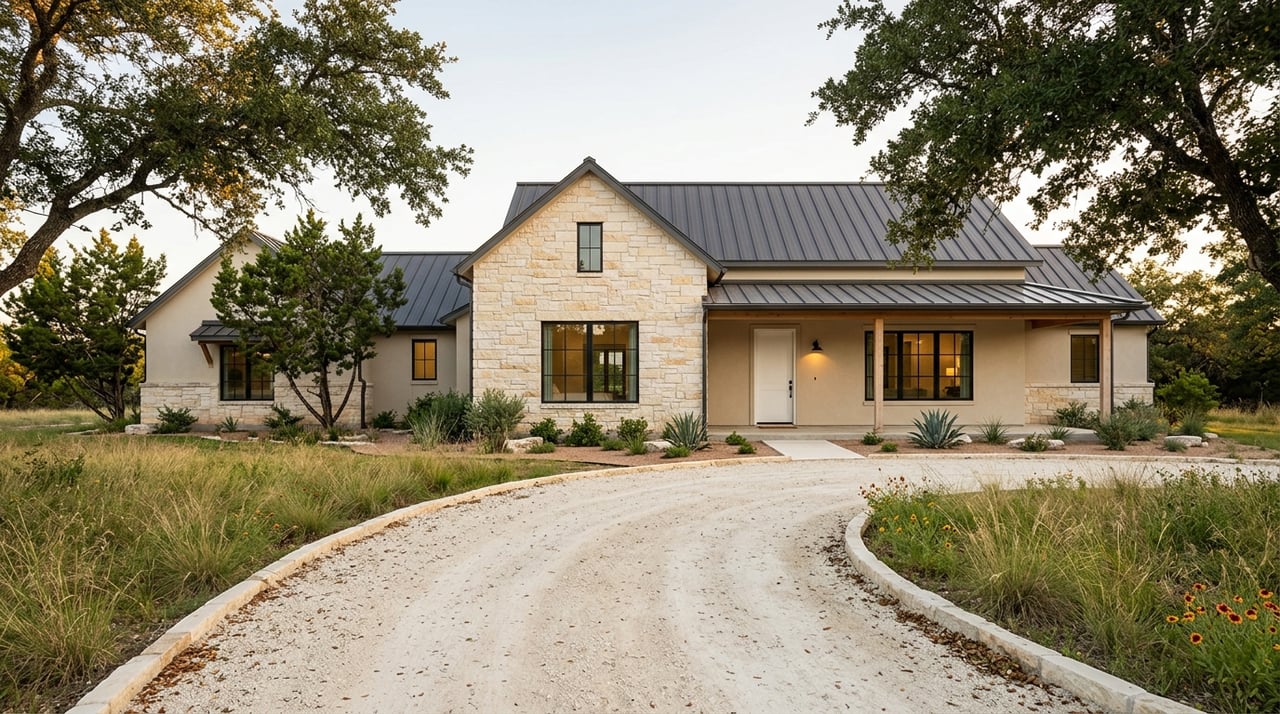
Is Now the Right Time to Sell in the Travis County Acreage Market?
June 11, 2026
June 11, 2026
Wondering if now is the right time to sell your Travis County acreage? You are not alone. Many landowners are weighing strong long-term demand near Austin against a market that feels more selective than it did a few years ago. The good news is that the answer is usually less about guessing the perfect month and more about understanding how your specific tract fits today’s buyer demand. Let’s dive in.
If you own land in Travis County, the current market gives you reasons for both confidence and caution. The closest official benchmark for rural land is Texas A&M’s Region 7, which includes Travis County, and that report showed rural land prices rising 8.27% year over year to $8,028 per acre in the first quarter of 2026. Sales were also up 5.27%, while total acres sold increased 9.65%.
That tells you buyers are still active. At the same time, Texas A&M says the broader rural land market has stabilized and remains influenced by interest rates and a standoff between sellers and buyers. In plain terms, demand still exists, but buyers are more price-sensitive and more willing to wait.
The broader Travis County housing backdrop also matters. Travis County’s population reached an estimated 1,363,767 in 2024, up by 15,724 from the prior year. Unlock MLS reported that in April 2026 the county had 4.8 months of inventory, 20.4% more pending sales, 19.0% fewer active listings, and a median sale price of $505,000.
For acreage owners, that points to a market with real energy, just not the kind of frenzy that lets every seller name any price and expect a quick sale. If your property is well-positioned, buyers are still out there. If it has unanswered questions, buyers will notice.
Location continues to matter in Travis County. Land near Austin can appeal to buyers looking for a homesite, recreational use, longer-term investment, or a combination of all three. That flexibility is a big reason acreage here still commands attention.
Smaller tracts are an especially important part of the story. Texas A&M reports that small tracts make up more than half of statewide rural land sales by number, and in Region 7 the small-tract ceiling is 50 acres. Its fourth quarter 2025 data showed Region 7 small tracts averaging $17,529 per acre, up 7.7% year over year.
That is a major difference from the broader regional benchmark. It also helps explain why smaller, usable acreage in Travis County can attract strong interest when it offers homesite potential, recreational value, or investment appeal. More buyers can afford and use smaller tracts, which often supports stronger per-acre pricing.
Not all acreage sells the same way. A 10-acre tract near growth corridors may attract a very different buyer pool than a much larger raw parcel farther out. That difference affects pricing, marketing, and timing.
Small acreage often benefits from broader demand. Families looking for room to build, buyers wanting a weekend retreat, and investors seeking flexible land positions may all compete for the same property. That wider audience can make smaller tracts easier to sell if they are priced well and easy to understand.
Larger acreage can still perform well, but the buyer pool is usually narrower. Buyers may focus more heavily on access, topography, utility options, water features, or future use. If those details are not clear, marketing time can stretch.
When sellers ask whether they should list now, the bigger question is often this: Is the property market-ready? Buyers are not just comparing acreage counts. They are comparing certainty, usability, and cost to make the land work for their goals.
Research shows that land values are shaped by both broad market conditions and tract-specific features. Those features can include site quality, utility, rural amenity value, and proximity to urban areas. In a county like Travis, where land can serve lifestyle and investment goals at the same time, those details matter even more.
A regional guide from the Texas Chapter of ASFMRA shows how wide the pricing range can be based on utility and location. In the Austin area, improved pasture, native wooded pasture, urban-fringe land, and ranchettes under 50 acres all fall into very different price bands. The pattern is clear: more usable, more buildable, and more conveniently located acreage tends to command stronger pricing.
If your tract has any of the following, it may appeal to more buyers:
Buyers usually pay more when they can quickly understand what the land can do. If your acreage has these advantages, selling now may make sense.
In Travis County, the line between improved and unimproved land is often less important than how easy the tract is to evaluate. A buyer may not care much about the label if they can see that access is clear, the land is usable, and the path to development or enjoyment is straightforward.
A tract with a buildable area, workable access, and practical utility answers can often justify a premium. The same goes for land with roads, fencing, scenic character, or other features that reduce effort for the next owner. These traits create confidence.
Raw acreage can still sell, but buyers will usually account for unknowns in the price. If water, septic, floodplain, access, or subdivision questions remain unresolved, the buyer is taking on extra risk and cost. In today’s market, that usually means more negotiation.
Before you decide whether to sell now, it is smart to verify the issues that most often affect land value in Travis County. This is especially important for property outside city limits, where county development rules can shape buyer interest.
Travis County says a Basic Development Permit is required for development outside corporate city limits. It also notes that a septic application may be required before a development permit is issued if the property is not served by a wastewater provider. The county’s floodplain jurisdiction, groundwater rules, and subdivision standards can also affect whether a tract is easy to build on or divide.
For sellers, that means due diligence is not just a buyer task. If you can clarify these issues before going to market, you may improve buyer confidence and reduce pricing friction.
Before listing, consider confirming:
The more answers you can provide up front, the easier it is for buyers to underwrite the opportunity.
If your acreage benefits from agricultural appraisal, timing your sale may involve more than market conditions. The Texas Comptroller says qualifying land is taxed on productivity value rather than market value. If the land changes to a non-agricultural use, rollback tax may apply for the previous three years.
That matters if you plan to market the property as a development play or make changes in use before the sale. It can also matter for legacy family land, rural homesteads, and tracts with future homesite potential. Before listing, make sure you understand how the current tax status could affect your net proceeds.
For many Travis County landowners, the answer is yes, if the tract is ready. Current data support active demand, especially for smaller acreage and properties with clear utility, strong location, or lifestyle appeal. If your land is easy to understand and priced with today’s market in mind, this can be a solid time to sell.
If the property is raw or has unresolved questions, waiting may be the better move if you can use the time to prepare. Solving access issues, organizing documents, clarifying permitting paths, or checking tax implications may help you protect value. In a selective market, preparation often matters as much as timing.
The biggest mistake is usually pricing based on peak-era memory instead of current evidence. Texas A&M notes that seller expectations tied to 2022 and 2023 pricing remain a source of friction. Today’s buyers are still interested, but they are more disciplined.
If you are trying to make a practical decision, this framework can help:
You may be in a good position to list now if your tract offers:
It may make sense to wait if buyers would still need to figure out:
In other words, the best timing is often driven by readiness, not urgency.
If you want honest guidance on how your tract may be positioned in today’s market, Cullen Loeffler and the TXR Texas Real Estate team bring land-focused experience, pricing discipline, and practical due diligence insight to acreage sales across the Austin area.
Stay up to date on the latest real estate trends.


Experience honest service, local expertise, and strategic representation from a team dedicated to your success.