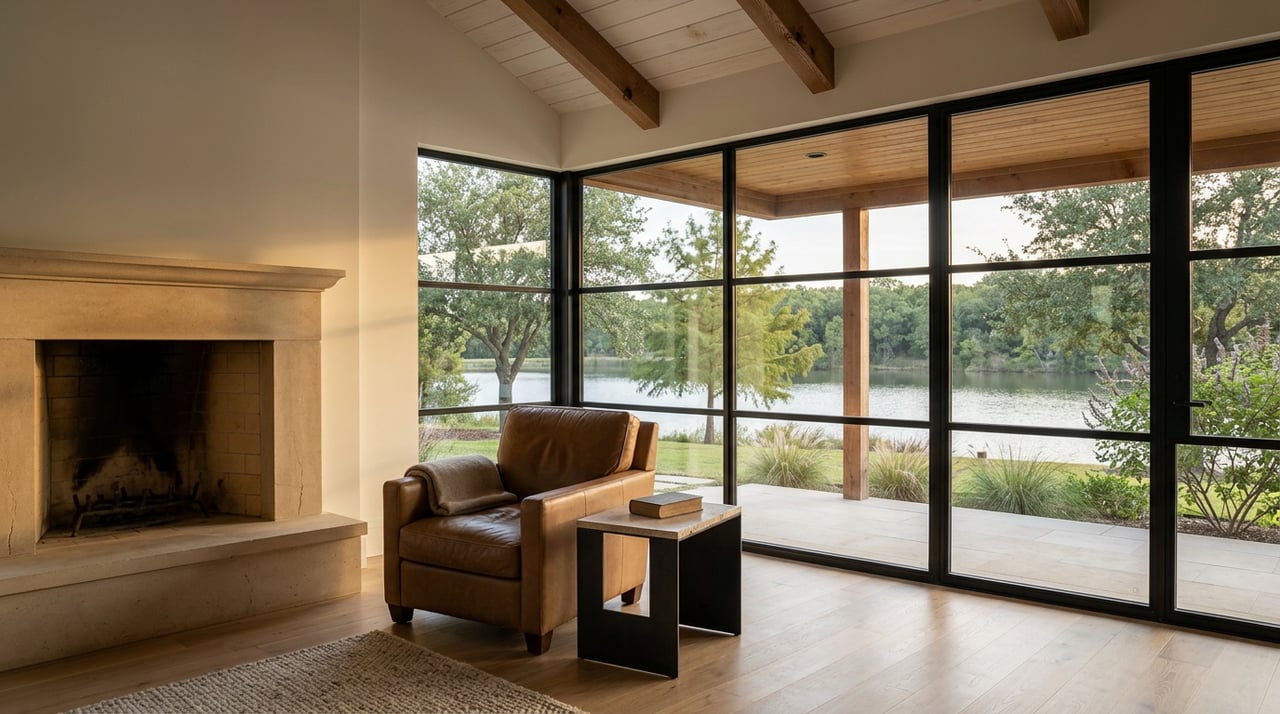
In Texas, land isn’t just an asset—it’s a statement. It’s independence, long-term thinking, and a place that works as hard as you do. Whether you’re expanding a portfolio, stepping into ranch ownership, or looking for a private retreat, land and ranch real estate offers something few other investments can: control, versatility, and legacy.
Here’s how to approach it with clarity—and confidence.
What Defines Texas Land and Ranch Real Estate
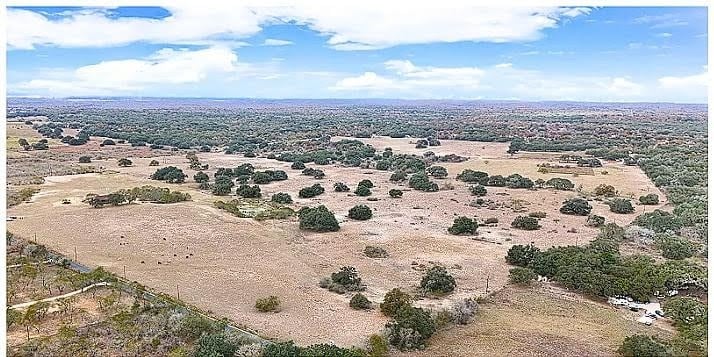
Texas land comes with range—literally and financially. You’ll see everything from turnkey working ranches to raw acreage ready for a vision.
Most properties fall into a few core categories:
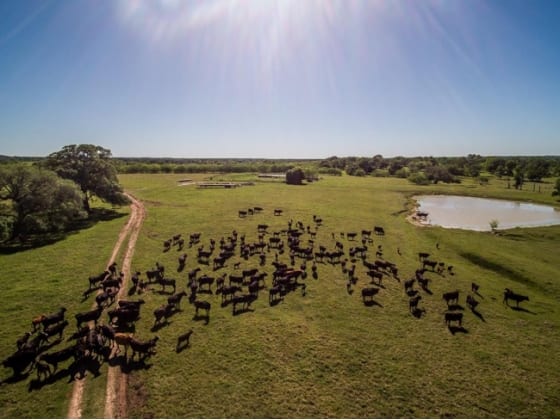
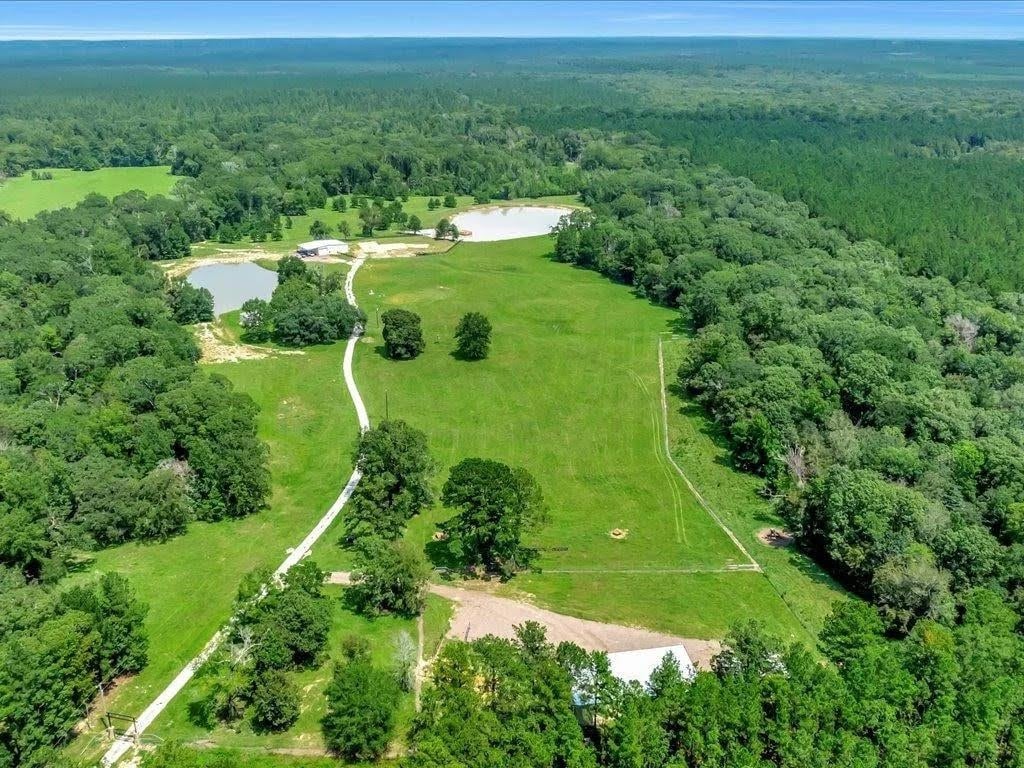
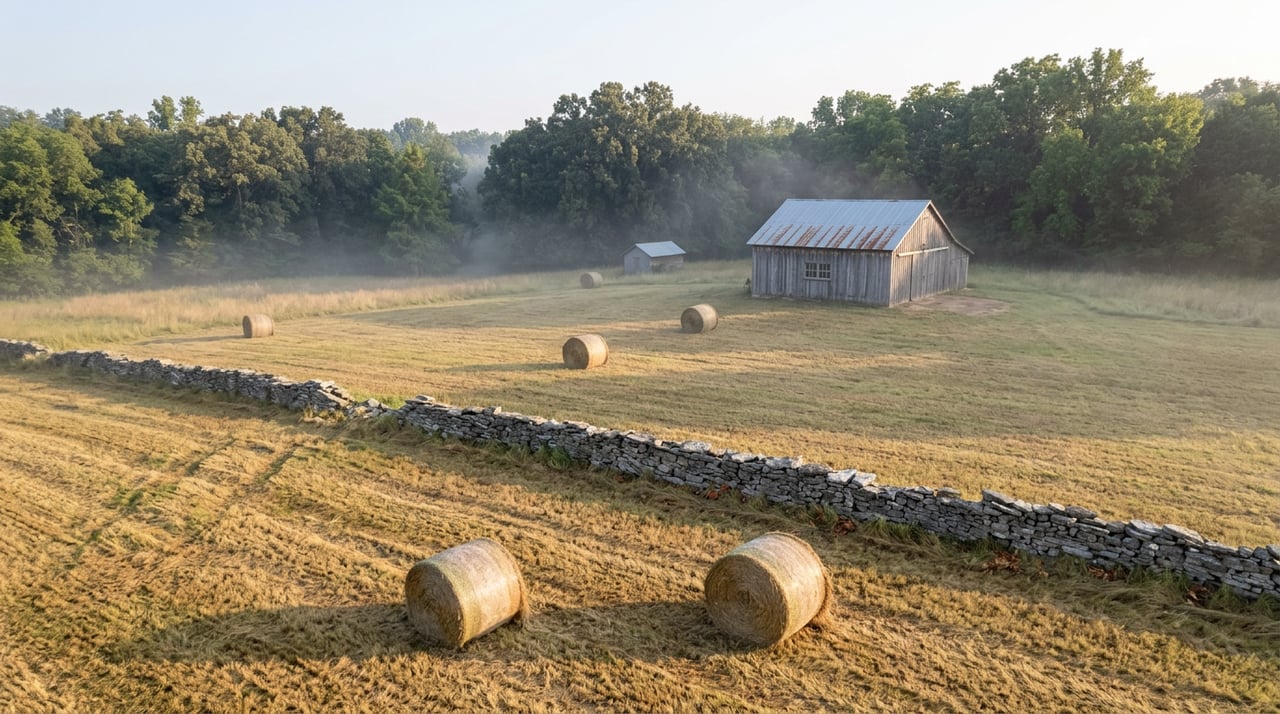
- Working ranches – cattle, hunting leases, or agricultural production already in motion.
- Recreational land – built for weekends, wildlife, and wide-open space.
- Investment acreage – positioned for appreciation, development, or subdivision.
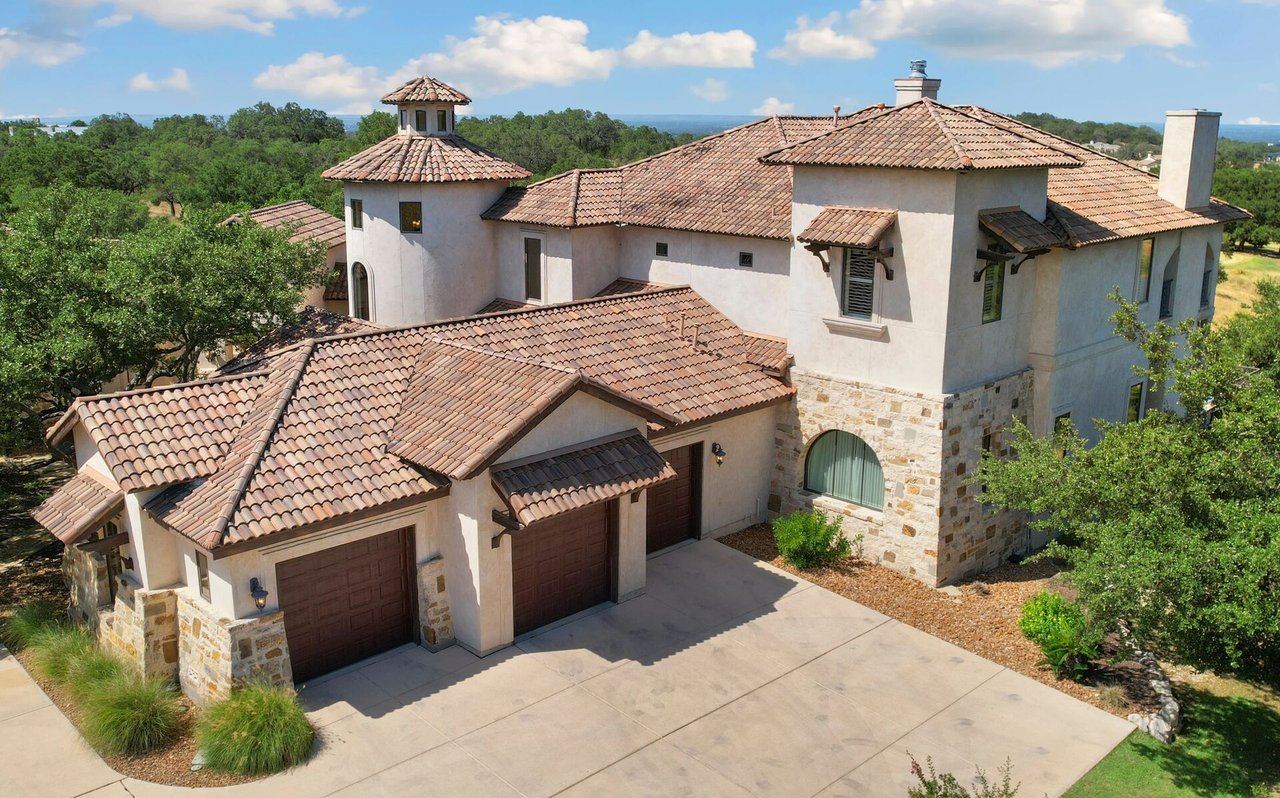
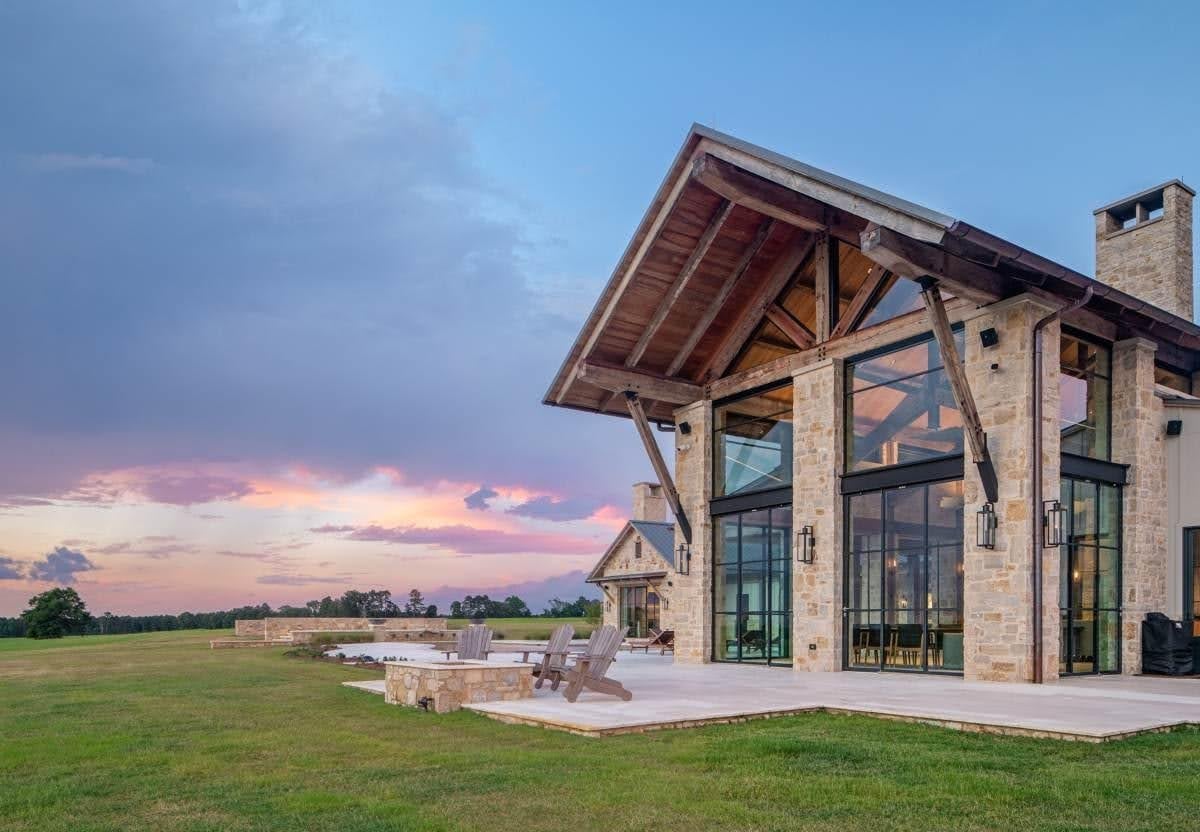
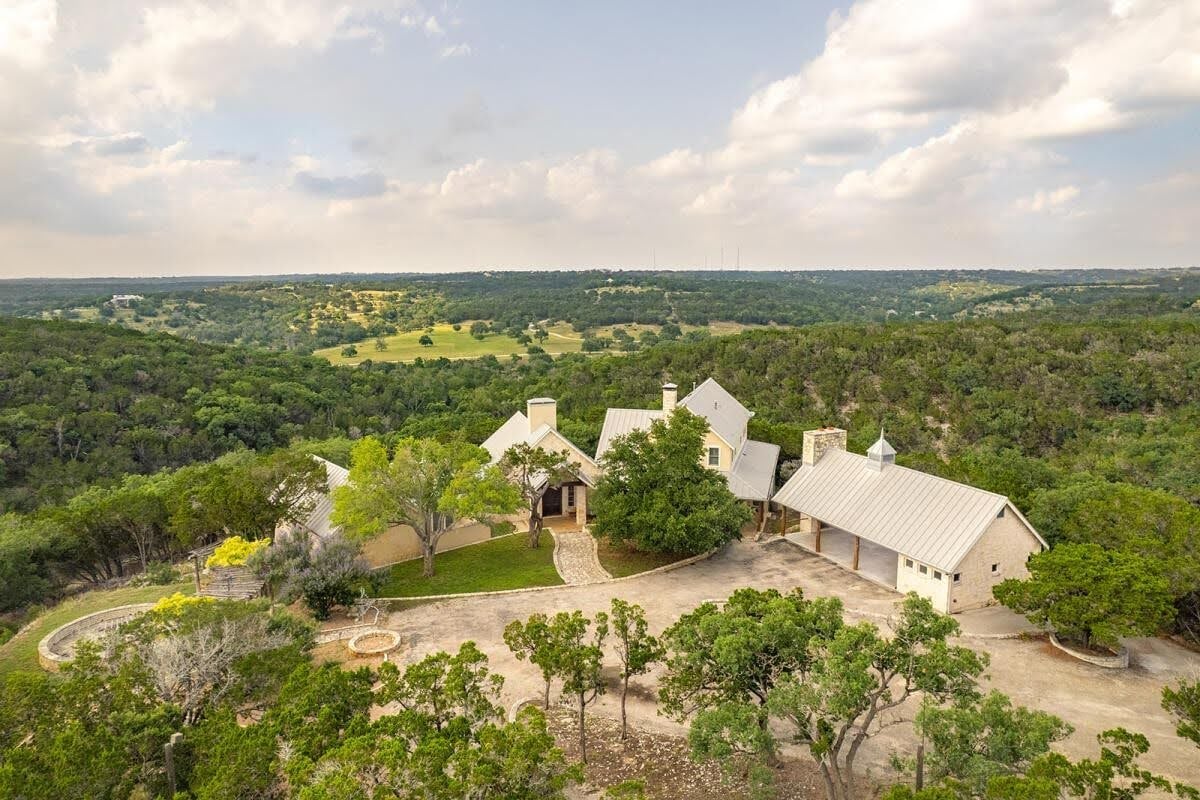
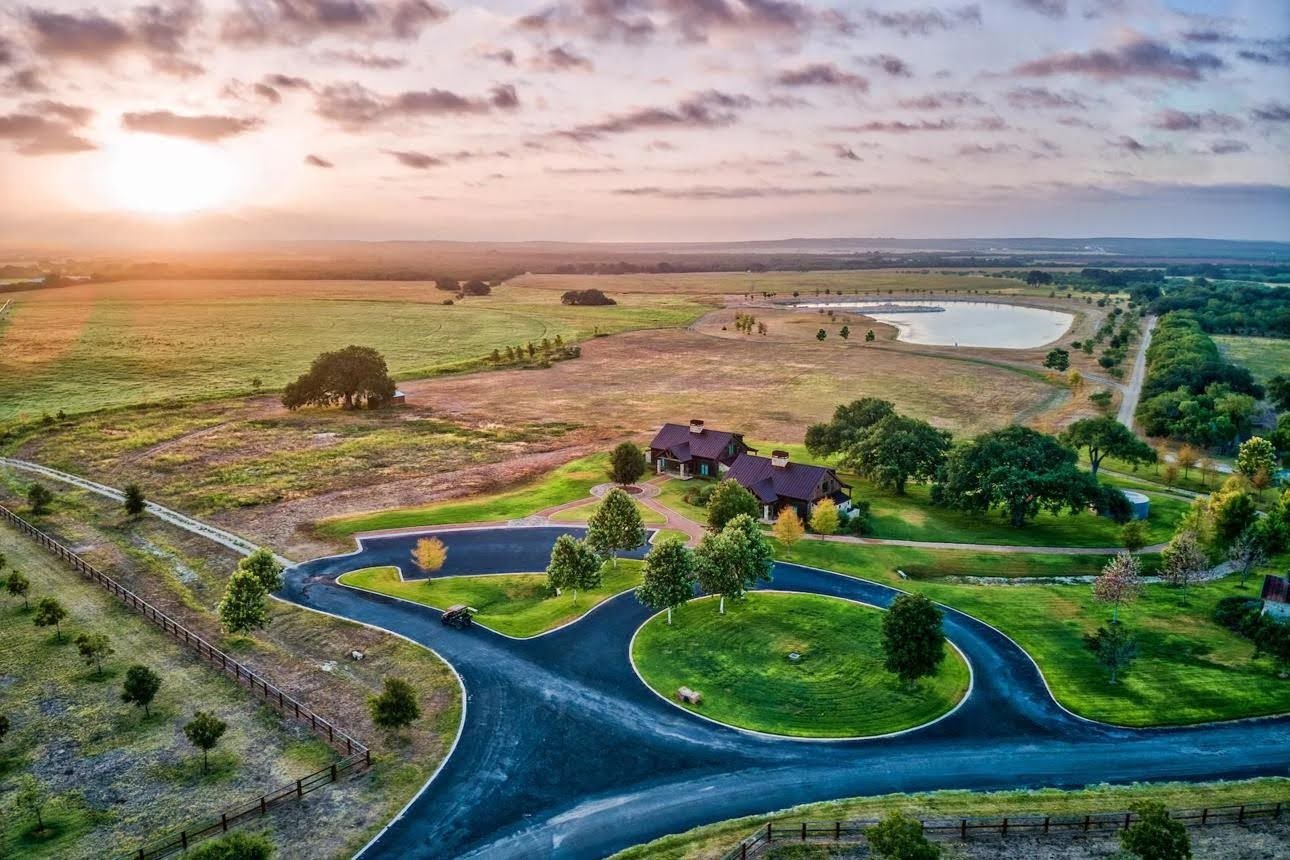
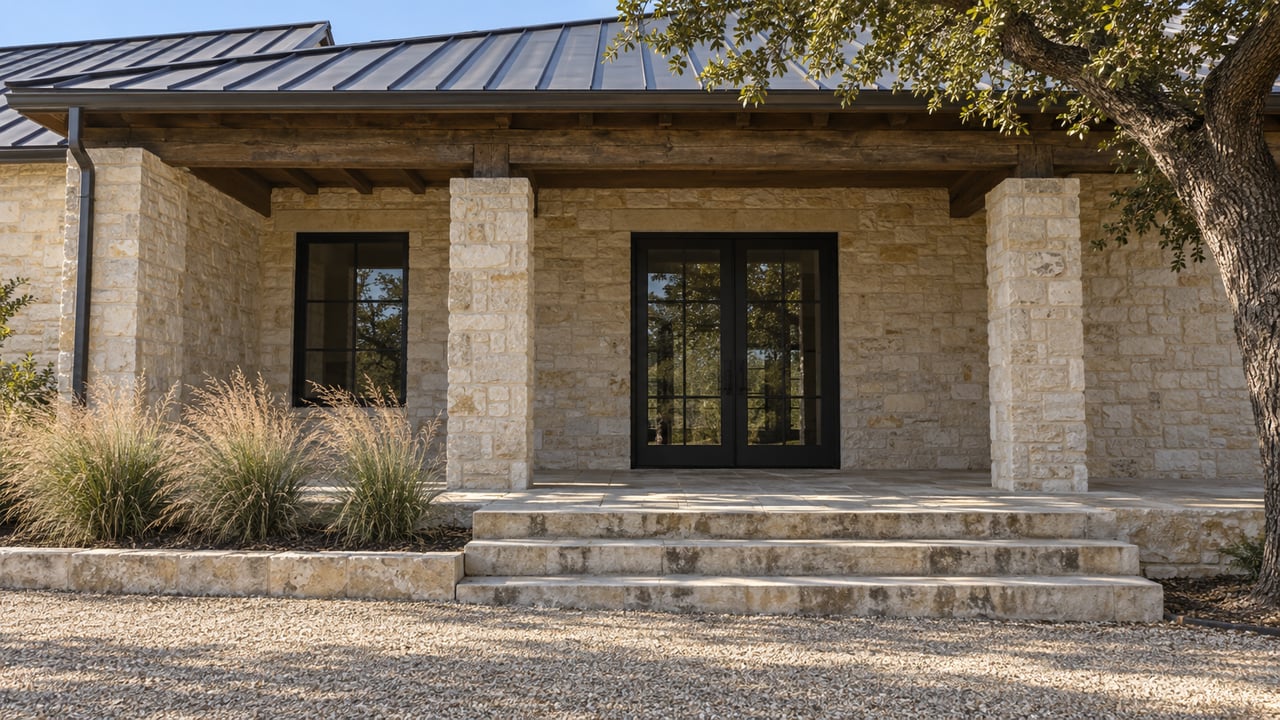
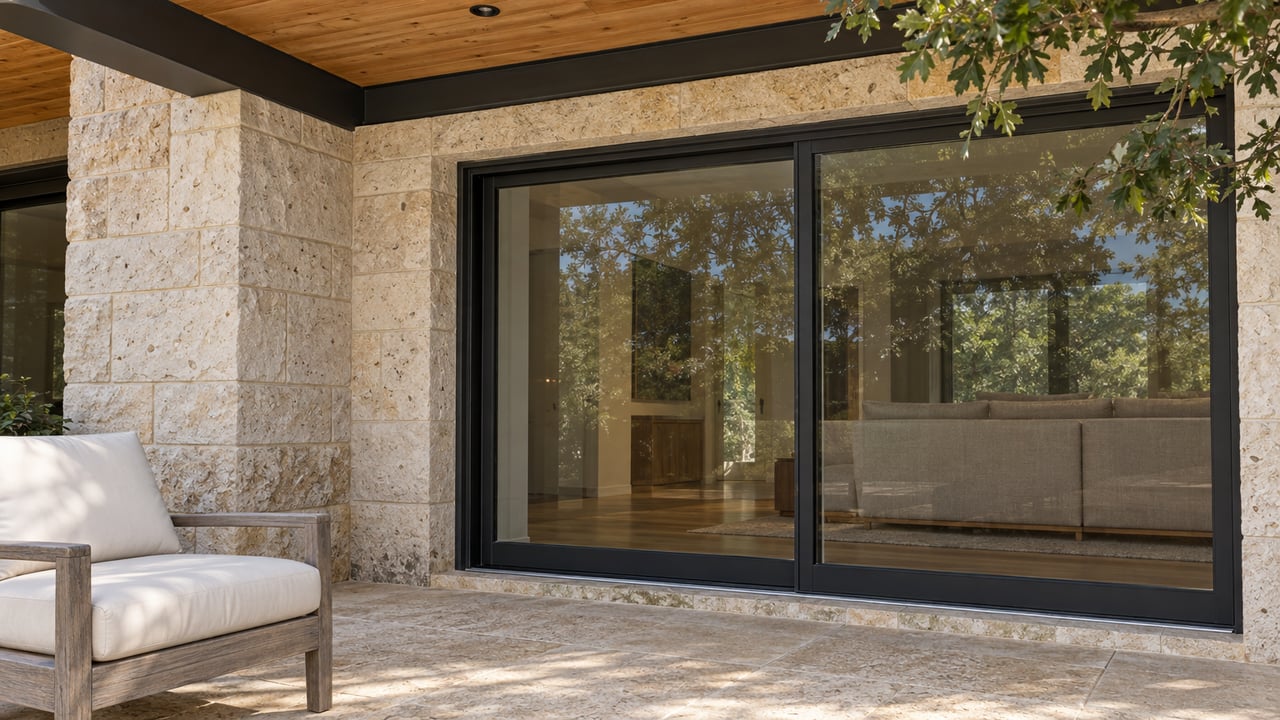
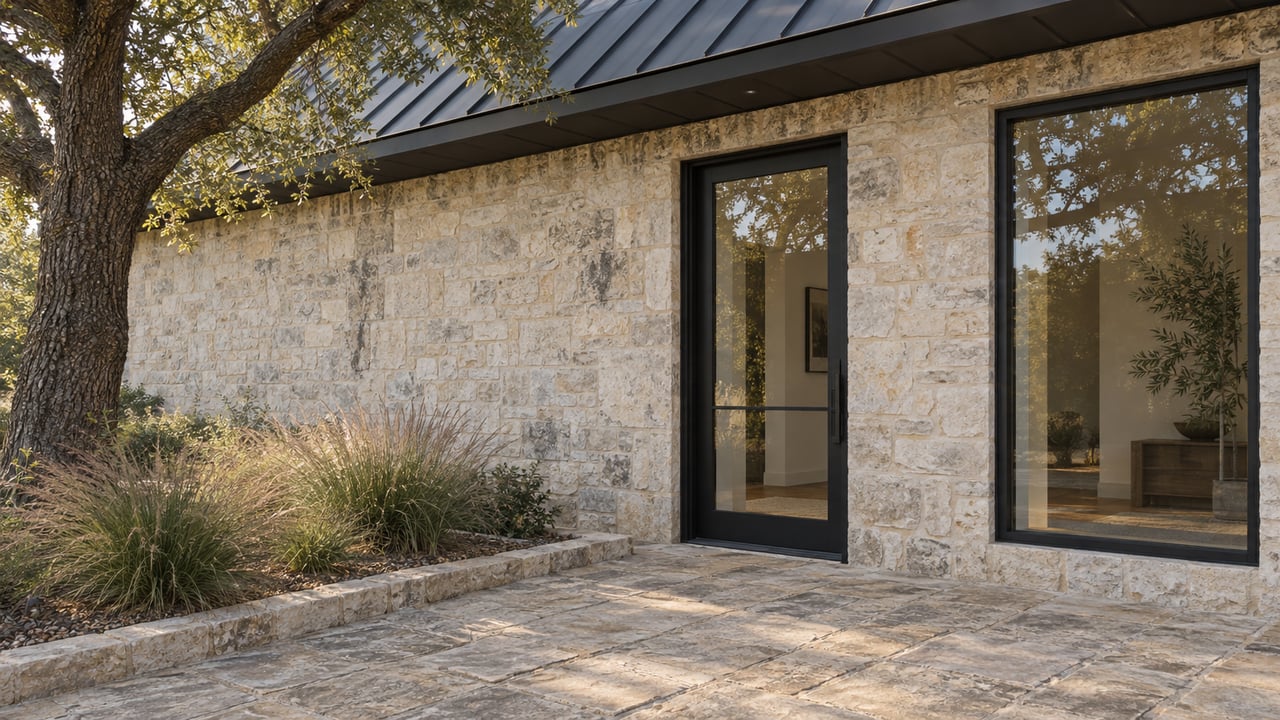
- Luxury ranch estates – high-end homes paired with significant land holdings.
Each serves a different goal. The key is aligning the property with how you plan to use it—not just how it looks on paper.
Location Still Drives Everything
Texas isn’t one market—it’s several distinct ones.
- Hill Country offers scenic terrain, strong demand, and lifestyle appeal.
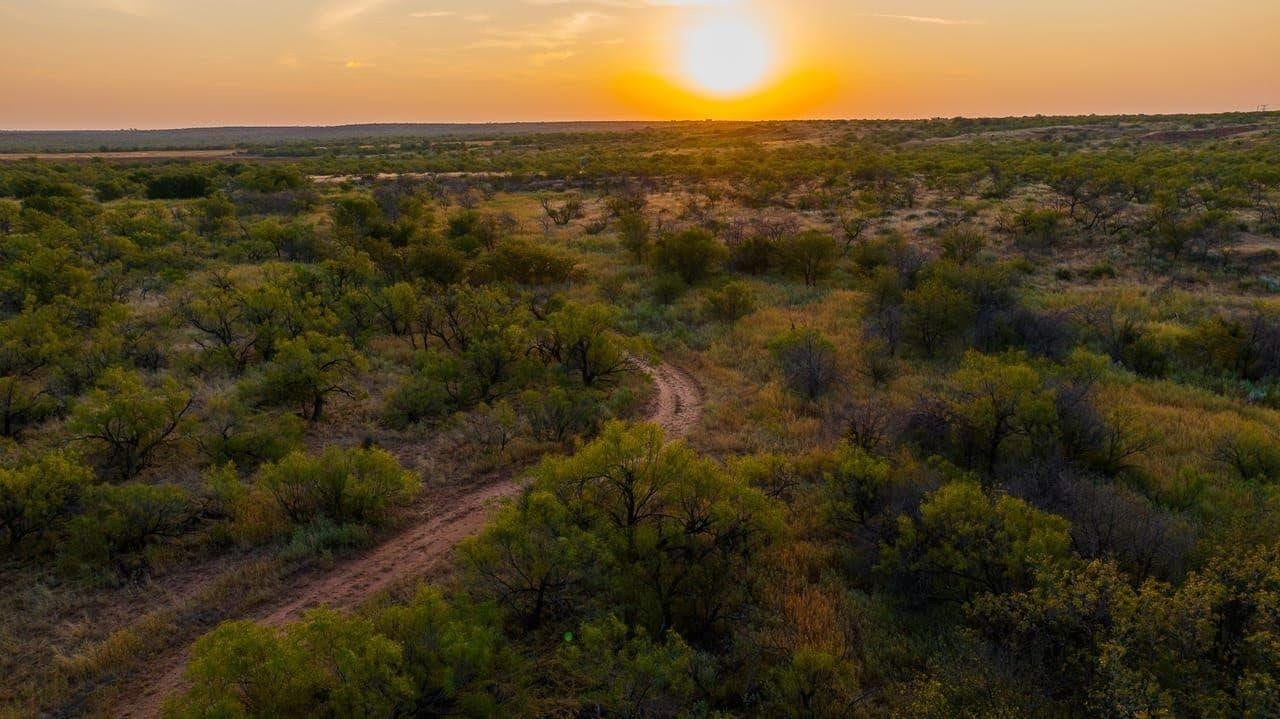
- West Texas delivers scale, privacy, and a lower price per acre.
- East Texas brings water, timber, and lush landscapes.
- South Texas is known for hunting ranches and large tracts.
Where you buy shapes everything from land value to usability. A clear strategy upfront keeps you from overpaying—or underutilizing the property.
What Experienced Buyers Pay Attention To
This is where deals are made or missed.
Water access
Surface water, wells, and water rights can significantly impact value and usability.
Ag exemptions
Many Texas properties benefit from agricultural tax valuations—but they come with requirements. Know what’s in place and what it takes to maintain it.
Access and frontage
Legal access, road quality, and frontage affect both daily use and resale value.
Topography and soil
What you can build, graze, or grow depends on the land itself.
Utilities and infrastructure
Electric, septic, fencing, barns—these details shape both cost and timeline.
The right property isn’t just beautiful—it’s functional.
Why Buyers Are Leaning Into Land Right Now
Land is having a moment—and it’s not by accident.
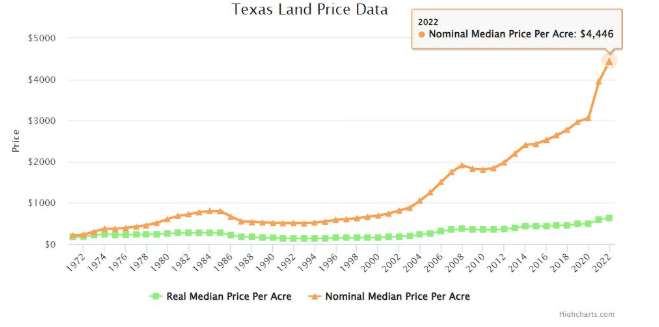
- Tangible investment – less volatility than many traditional assets.
- Lifestyle flexibility – work remotely, live privately.
- Legacy potential – something to pass down, not just cash out.
- Limited supply – especially in high-demand regions.
For many buyers, it’s both a financial and personal decision—and that combination tends to hold value.
A Smarter Way To Approach Your Purchase
You don’t need to know everything—but you do need a clear path.
Start here:
- Define your use – income, recreation, long-term hold, or all three.
- Set realistic parameters – acreage, location, budget.
- Work with a land specialist – this isn’t traditional residential real estate.
- Walk the property – photos don’t show terrain, access, or feel.
- Review details carefully – surveys, water, exemptions, easements.
Every strong purchase starts with clarity—and ends with confidence.
Let’s Find The Right Ground For You
The right piece of Texas land does more than check boxes—it opens doors. To income. To lifestyle. To something lasting.
If you’re considering land or ranch ownership, the next step is simple: get specific about what you want, and align with someone who knows how to get you there.
Because in Texas, the right land doesn’t just hold value—it creates it.